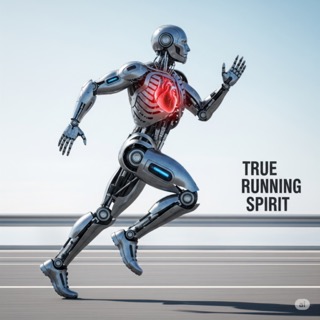

Intense sprints or interval training can lead to delayed onset muscle soreness (DOMS), which typically appears 12 hours after your workout and can last for several days. Understanding DOMS is crucial for minimizing its impact on your current and future training sessions.
Delayed Onset Muscle Soreness (DOMS) typically kicks in 24-72 hours after unaccustomed or intense exercise.
A strenuous sprint workout often leads to deep muscle soreness, known as Delayed Onset Muscle Soreness (DOMS). This is a normal physiological response, indicating that your body is adapting and strengthening. DOMS results from microscopic tears in muscle fibers, which occur during intense exercise.
Here is a comprehensive list of options to help you recover from yesterday’s sprint-induced or any other intense workout DOMS, categorized for clarity.To aid in your recovery from delayed onset muscle soreness (DOMS) after an intense workout, such as yesterday’s sprints, here are various recovery options, clearly organized by category.
Immediate Actions (What to Do Today)
These actions focus on increasing blood flow to the sore muscles, which helps deliver nutrients for repair and flush out metabolic waste products.
- Active Recovery:
- Why it works: Gentle movement is the single best thing you can do. It prevents muscles from stiffening up and promotes circulation without causing more damage.
- What to do:
- Light Walking: A 20-30 minute walk.
- Slow Cycling: Use a stationary bike with very low resistance for 15-20 minutes.
- Swimming or Water Walking: The water’s buoyancy reduces impact on your joints and muscles while still allowing for movement.
- Gentle Dynamic Stretching: Focus on movements like slow leg swings (forward/backward and side-to-side), arm circles, and torso twists.
- Myofascial Release:
- Why it works: This helps release knots and tightness in the muscles and the connective tissue (fascia) surrounding them, improving flexibility and blood flow.
- What to do:
- Foam Rolling: Slowly roll over your major muscle groups, especially the ones you worked during the sprints (glutes, hamstrings, quadriceps, and calves). When you find a tender spot, pause for 20-30 seconds and breathe deeply.
- Massage Ball: Use a lacrosse ball or tennis ball to target specific, hard-to-reach areas like your glutes.
- Contrast Therapy (Hot & Cold):
- Why it works: Alternating between cold and hot temperatures can help reduce inflammation and stimulate blood flow.
- What to do:
- Contrast Shower: Take a shower and alternate between 1 minute of cold water and 2 minutes of hot water. Repeat this cycle 3-4 times, ending on cold.
- Hot & Cold Packs: Apply a cold pack to the sorest areas for 15 minutes, then switch to a heating pad for 15 minutes.
- Warm Bath with Epsom Salts:
- Why it works: The heat helps relax tight muscles. Epsom salts are rich in magnesium, which can be absorbed through the skin and may help with muscle relaxation and reducing soreness.
- What to do: Add 1-2 cups of Epsom salts to a warm (not scorching hot) bath and soak for 15-20 minutes.
Nutrition and Hydration
Your body needs the right fuel to repair the muscle damage.
- Hydrate, Hydrate, Hydrate:
- Why it works: Dehydration can worsen muscle cramps and soreness. Water is essential for nutrient transport and flushing out waste products.
- What to do: Drink plenty of water throughout the day. If you sweat a lot, consider a drink with electrolytes to replenish lost minerals.
- Prioritize Protein:
- Why it works: Protein provides the amino acids that are the building blocks for muscle repair.
- What to do: Include a quality protein source in every meal today. Examples: lean chicken, fish, eggs, Greek yogurt, lentils, tofu, or a protein shake.
- Don’t Skip Carbohydrates:
- Why it works: Sprints heavily deplete your muscle glycogen (stored carbohydrates). Replenishing these stores is crucial for energy and recovery.
- What to do: Eat complex carbohydrates like oatmeal, sweet potatoes, brown rice, and fruits.
- Incorporate Anti-Inflammatory Foods:
- Why it works: Certain foods can help naturally reduce the inflammation associated with DOMS.
- What to do: Try to include foods like tart cherries (or tart cherry juice), berries, leafy green vegetables (like spinach), turmeric, and ginger in your diet.
Rest and Sleep
This is when the majority of muscle repair actually happens.
- Get Quality Sleep:
- Why it works: During deep sleep, your body releases Growth Hormone, which is critical for tissue repair.
- What to do: Aim for 7-9 hours of quality sleep.
- Listen to Your Body:
- Why it works: Pushing too hard on sore muscles can lead to further damage or injury.
- What to do: Today should be a rest day or an active recovery day. Avoid any high-intensity exercise, especially another sprint session or heavy leg lifting.
Summary
- Morning: Start with a 20-minute gentle walk or slow bike ride, followed by some light, dynamic stretching.
- Throughout the Day: Drink plenty of water and eat balanced meals rich in protein, carbs, and anti-inflammatory foods.
- Afternoon/Evening: Use a foam roller on your legs and glutes. Consider a contrast shower or a warm Epsom salt bath.
- Night: Prioritize getting a full night of quality sleep.
Workout hard, take ample rest and recovery, turnout stronger by repeat.Train intensely, ensure sufficient rest and recovery, and repeat to build strength.
 Machine with a Heart
Leave a comment